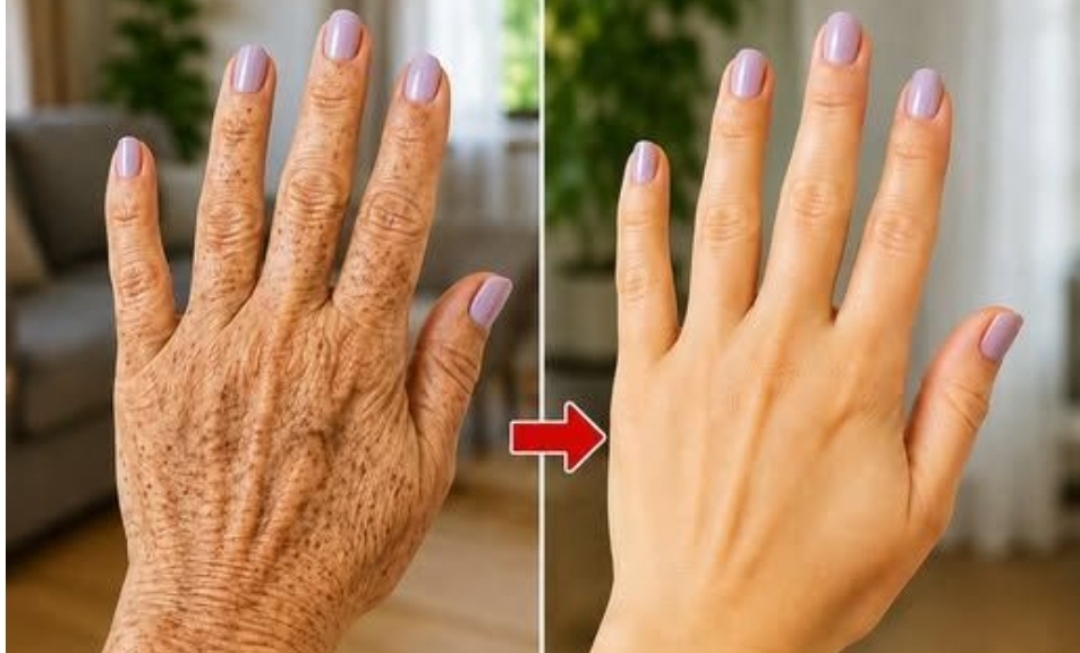
Why Hands and Arms Often Show Signs of Aging FirstMany people are surprised to learn that the skin on the hands is naturally thinner than skin in some other parts of the body.Over time, several factors can contribute to changes in appearance:Frequent exposure to sunlightRepeated washing and sanitizingDry indoor airNatural changes associated with agingHousehold cleaning productsSmoking and lifestyle habitsResearch has consistently shown that ultraviolet (UV) exposure is one of the biggest contributors to visible skin aging. Areas that receive regular sun exposure, such as the hands and forearms, often develop uneven pigmentation and texture changes over time.But that is not all.Many older adults unknowingly damage the skin barrier every day through habits that seem harmless.For example:Washing hands with very hot waterSkipping moisturizer after washingForgetting sunscreen on the backs of the handsUsing harsh cleaning products without glovesThese small actions may gradually affect how the skin looks and feels.A Common MisunderstandingOne of the most common myths online is that a single homemade mixture can dramatically transform the appearance of aging skin overnight.The truth is much less exciting but far more useful.Healthy-looking skin usually comes from consistent care rather than one-time remedies.The Viral Lemon and Honey Trend: What Does It Actually Do?Social media is full of images showing dramatic “before and after” transformations involving ingredients such as:HoneyLemon juiceBaking sodaYogurtOatmealThe image associated with this trend often suggests that a simple mixture can make hands appear dramatically younger.Here is what science suggests.
Are Your Hands Revealing Your Age Faster Than Your Face? Simple Habits That May Help Improve the Look of Wrinkles and Dark Spots