

Properties, Benefits and Contraindications
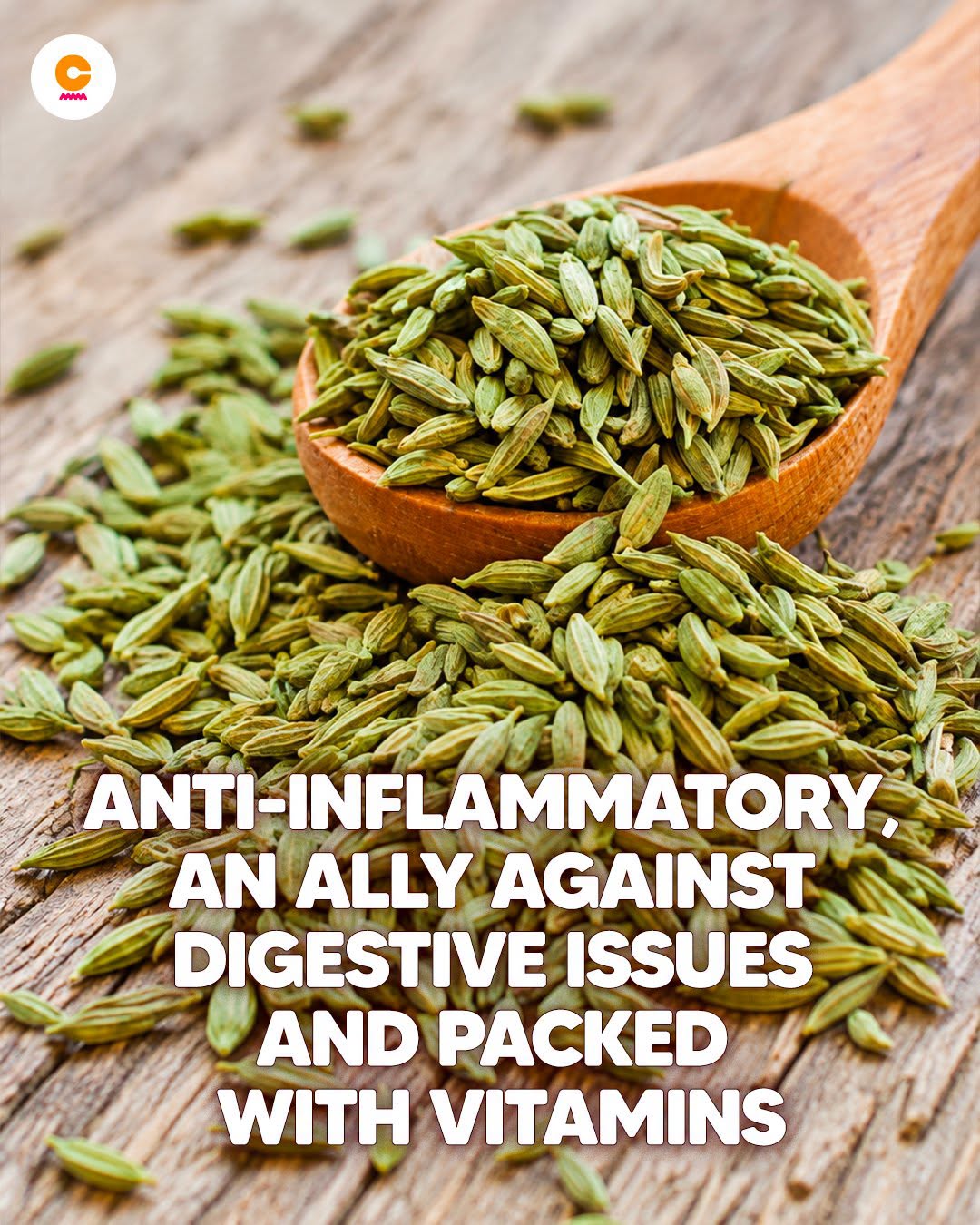
Aromatic, fragrant, and rich in essential nutrients, anise is a plant with many properties that can truly be a health ally. The seeds are primarily used to treat digestive disorders such as bloating, gas, and colic, but they are also used as a powerful antispasmodic and anti-inflammatory.
Anise is an excellent source of essential vitamins, especially B-complex vitamins but also antioxidant vitamins such as C and A, and contains many minerals including calcium, copper, potassium, iron, manganese, magnesium, and zinc.
By studying these components, experts have highlighted how anise seeds have antioxidant, antibacterial, antifungal, anticonvulsant, analgesic, and antiviral properties. Because of these many functions, anise seeds are widely used in therapeutic applications, but also in cosmetics: essential oils are often incorporated into skin and body care products.
Anise is a natural product, but it is highly concentrated, which is why it should be used with caution, especially if taken for therapeutic purposes. While it poses no particular problems in cooking or as a cosmetic, it can cause medical side effects such as nausea and convulsions if taken in excessive quantities. Therefore, before using anise as a therapeutic remedy, it is advisable to consult a healthcare professional.
How to Use Anise in Cooking
In flavor, anise may be reminiscent of licorice, although it maintains its own distinct identity characterized by fresh, herbaceous notes. Anise seeds are very concentrated, so remember to use only a few: you must add them sparingly, otherwise the flavor is too strong.
Anise is generally used primarily in bread making —for example, anise seed bread is a traditional recipe from South Tyrol—and in baked goods such as classic anise biscuits. They can be added alone to the dough or combined with other spices: they pair particularly well with fennel, cumin, cinnamon, and cardamom.
The particular sweetness of anise makes it ideal for obtaining an essential oil with many uses: it is used for particular traditional recipes such as mountain sugar biscuits or for the production of various alcoholic drinks, including Greek ouzo, French pastis and the iconic absinthe, the symbolic drink of 19th century bohemian France.
