

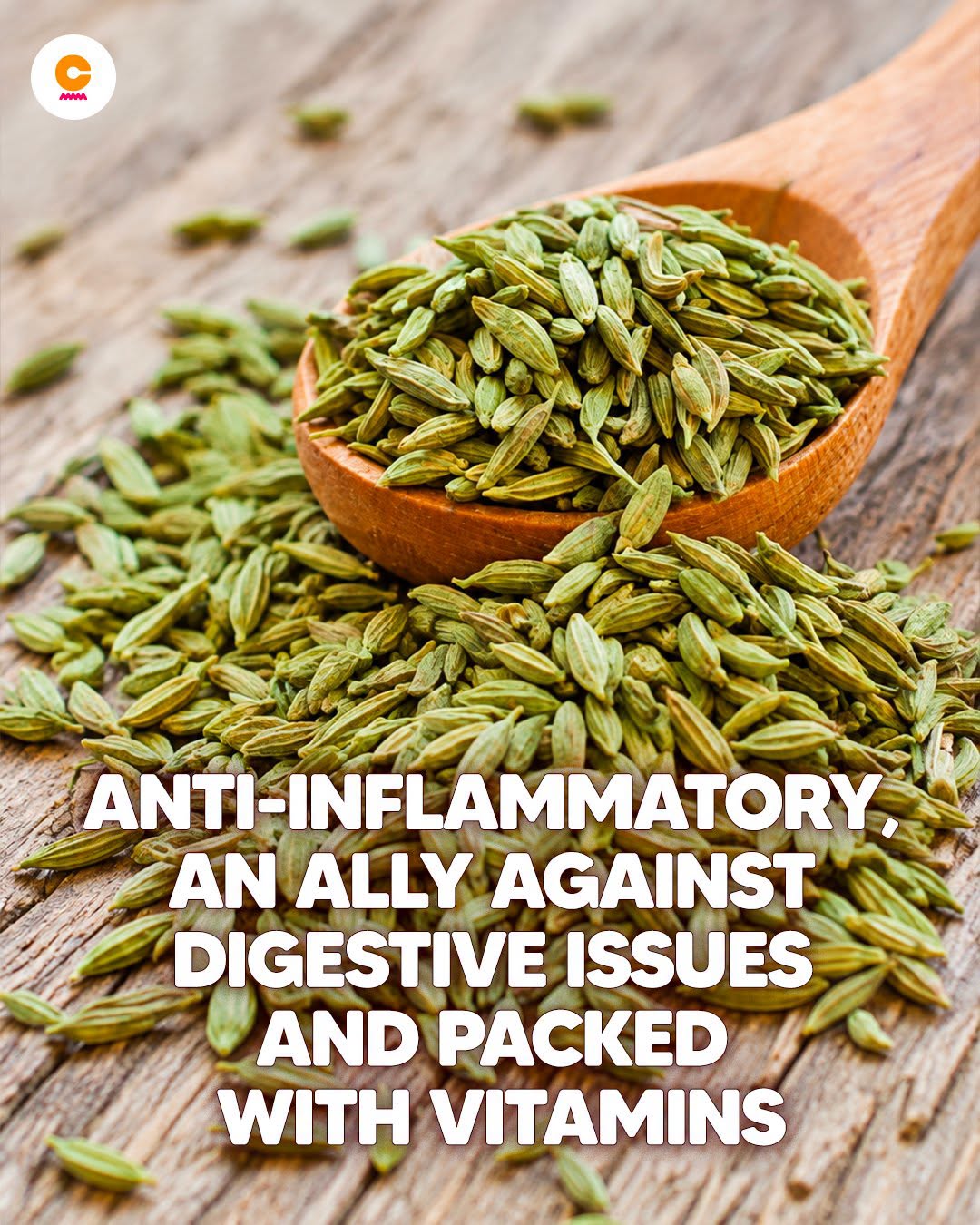
Anise is one of the most unique and versatile plants found in nature. It's a versatile ingredient in the kitchen, used primarily in baked goods and desserts, especially biscuits. It's an incredible natural remedy with a long medicinal history and an excellent support for the body, so much so that it's almost always present in infusions and herbal teas. Sweet and aromatic, anise has become irreplaceable over the centuries and has spread throughout the world, so much so that many cultures have even used it to prepare delicious liqueurs. Be careful not to confuse anise with star anise, however: although they have a similar name and flavor, they are two different plants with many differences.
Let's discover together the reasons why anise should never be missing from your pantry, all the ways it can be useful, and how to use it in the kitchen to make the most of its excellent flavors.
What is Anise?
Anise refers to the seeds of an annual herbaceous plant, Pimpinella anisum, which belongs to the Apiaceae family, the same as parsley, fennel, and carrots. It is native to western Asia and the eastern Mediterranean but is now cultivated throughout the world, including in the U.S..
The most commonly used part is the small seeds produced by its white, oval, grayish-green flowers. Inside them lies the essential oil that gives anise its characteristic sweet, liqueur-like aroma. The seeds are generally harvested fully ripe, then dried and stored in airtight containers to preserve their aroma.
