

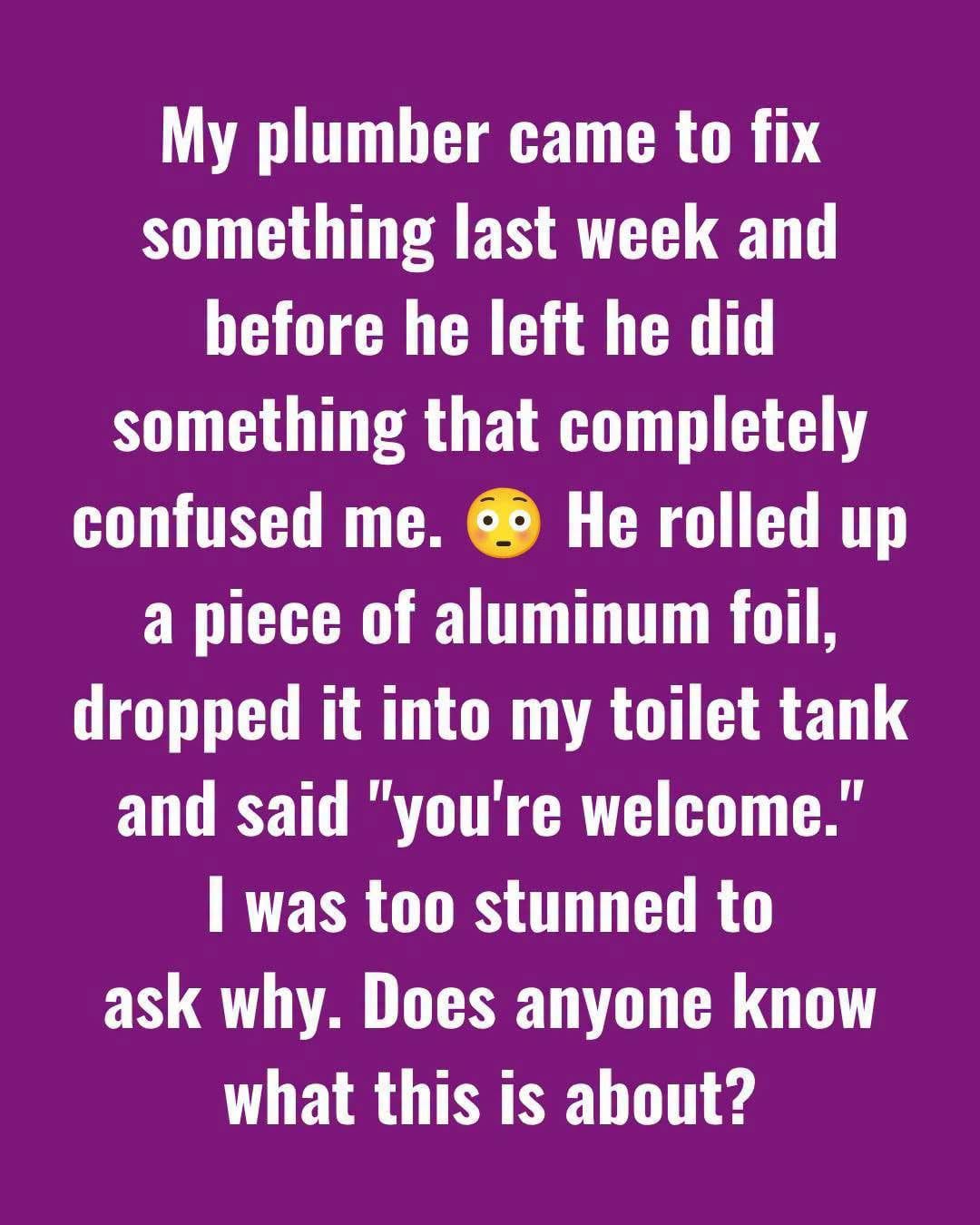
To understand why the trick is questionable, it helps to know how rust develops.
Rust is the result of corrosion involving iron or steel. When these materials are exposed to water and oxygen, they can gradually form reddish-brown iron oxides.
Aluminum behaves differently. It naturally forms a thin protective oxide layer when exposed to air. This is one reason aluminum is widely used in everyday products.
However, this does not mean that a ball of aluminum foil can protect the metal parts inside a toilet tank.
In certain industrial systems, aluminum can be used as a sacrificial anode to protect another metal from corrosion. But this requires a properly designed electrical connection and suitable conditions. A loose ball floating in a toilet tank does not provide that arrangement.
There is also a practical concern: aluminum can deteriorate under certain chemical conditions, particularly when exposed to unsuitable cleaning chemicals.
The bottom line: Do not rely on aluminum foil to prevent rust. If rust keeps appearing in your tank, identify the source instead of adding another object to the water.
4. What Happens Inside a Toilet Tank?
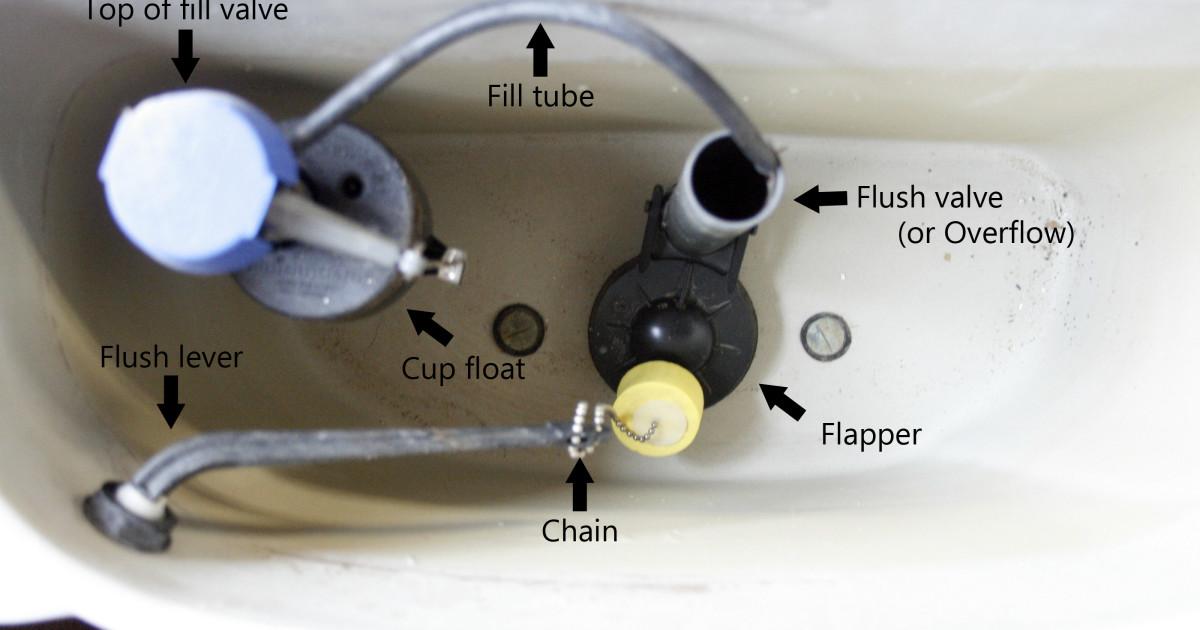
A toilet tank may look like a simple container, but it contains several components that must work together.
Understanding these parts explains why plumbers generally avoid placing unnecessary objects inside the tank.
The fill valve
This component controls the incoming water supply. After flushing, it allows the tank to refill.
The float
The float rises as the water level increases. Once the correct level is reached, it signals the fill valve to stop the water.
The flush valve or flapper
This component seals the opening at the bottom of the tank. When you press the flush button or handle, it opens and allows water to flow into the toilet bowl.
The overflow tube
This helps prevent the tank from overflowing if the water level becomes too high.
The refill tube
In many toilet designs, this small tube directs water into the overflow pipe to refill the toilet bowl after flushing.
All these components need to move freely and seal properly. An unnecessary object inside the tank could become trapped near a moving part or interfere with the flapper’s ability to close.
Kohler explains that the fill valve, float and flush valve work together to control the flushing and refill cycle. Kohler Assist+1
5. Could Putting Aluminum Foil in the Tank Damage Your Toilet?
Although a small piece of foil may initially appear harmless, leaving it inside the tank is not recommended.
Here are some potential problems:
It could interfere with the flushing mechanism. If the foil moves toward the flapper or flush valve, it could prevent the seal from closing correctly.
It could contribute to a running toilet. A flapper that cannot close properly may allow water to flow continuously into the bowl, increasing water consumption.
It could break into smaller pieces. If the foil deteriorates or becomes trapped against a component, small fragments may move around the tank.
It does not solve existing plumbing problems. A faulty fill valve, worn seal or incorrectly adjusted float needs the appropriate repair.
These problems are not guaranteed to happen every time someone puts foil in a tank, but there is no established benefit that justifies introducing the risk.
If you find aluminum foil inside your tank, remove it carefully while the toilet is not flushing. Do not force it past any mechanism. If it has become trapped, ask a plumber to remove it.
