

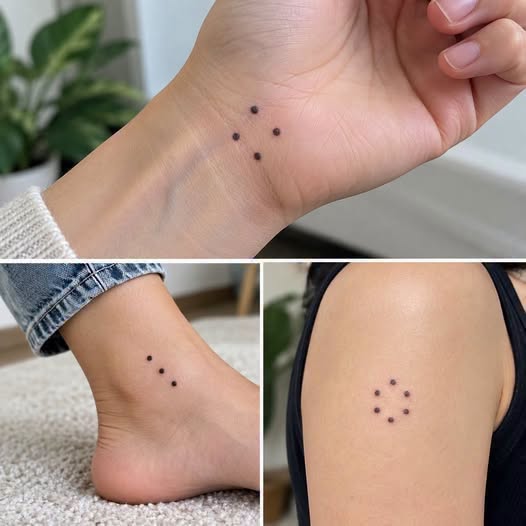
Read the Article, Not Only the Alarm
This source is a good example of why a headline and an article should not be treated as interchangeable. The headline suggests fear. The body says the design is not automatically a gang sign and is not a reason to panic.
Sharing only the warning would leave out the very explanation the article provides. Before forwarding a dramatic claim about a symbol, read the complete text and ask whether the headline fairly describes it.
Then ask what evidence supports a statement about an individual. A general list of associations is not personal evidence. Neither is a photo with no reliable account of who the person is or what the tattoo means to them.
Safety Is About Conduct, Not a Dot Count
If someone’s behavior makes you feel unsafe, pay attention to the situation. Threats, harassment, unwanted following, and other concrete actions matter regardless of whether the person has tattoos.
Move toward a safer public place, seek assistance, or contact emergency services when there is an immediate threat. You do not need to identify a symbol before responding to actual danger.
The reverse is also important: the absence of a tattoo does not guarantee safety. Judging risk by a dot count can distract from behavior that deserves attention while unfairly treating a quiet stranger as suspicious.

A useful personal rule is simple: describe what happened before describing what you assume it means. That keeps a genuine safety concern tied to observable conduct instead of turning a small design into an accusation.
