

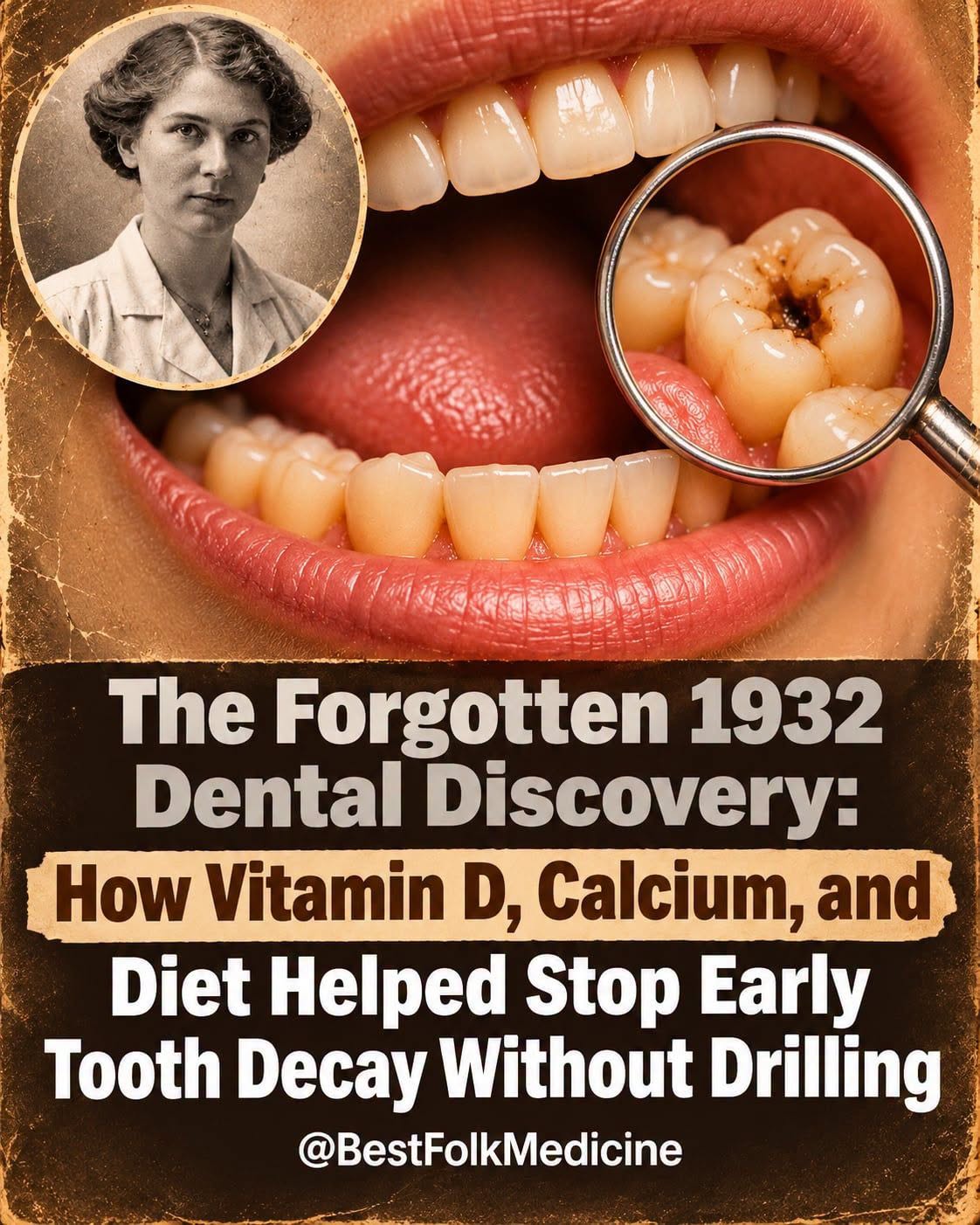
Can Tooth Decay Really Be Reversed Without Drilling?
The answer is yes, but only in certain circumstances.
To understand why, it helps to look at the structure of a tooth.
The outer layer of a tooth is called enamel.
Enamel is the hardest substance in the human body and consists primarily of minerals arranged in a highly organized structure.
Although enamel is extremely strong, it is vulnerable to repeated exposure to acids.
Bacteria living in dental plaque use sugars and other fermentable carbohydrates from food to produce acids.
These acids can gradually dissolve minerals from the enamel surface.
This process is called demineralization.
However, the mouth also has a natural repair mechanism.
Saliva contains calcium and phosphate, which can help replace minerals lost from enamel.
Fluoride supports this process and helps make enamel more resistant to future acid attacks.
This rebuilding process is known as remineralization.
If early damage is detected before a physical cavity forms, the mineral balance may be restored sufficiently to arrest or reverse the initial lesion.
But once the enamel has broken down and a hole has formed, the missing tooth structure cannot be regenerated simply by eating particular foods.
That type of damage generally requires professional dental treatment.
1. Vitamin D: The Nutrient That Helps Your Body Use Calcium
One of the most important nutritional factors investigated by Mellanby was vitamin D.
Vitamin D plays a crucial role in calcium and phosphate metabolism.
These minerals are essential for building and maintaining mineralized tissues, including bones and teeth.
Without sufficient vitamin D, the body has difficulty absorbing calcium efficiently from the digestive system.
Severe vitamin D deficiency during childhood can interfere with normal bone development and may also affect the formation of teeth.
Mellanby’s research helped establish why nutrition during tooth development deserves serious scientific attention.
Today, vitamin D remains recognized as essential for normal skeletal and dental development.
However, there is limited evidence that taking additional vitamin D beyond what the body needs can independently reverse existing cavities.
Correcting a deficiency is important for overall health, but high-dose supplementation is not a substitute for dental treatment.
Foods That Provide Vitamin D
Dietary sources include:
- Fatty fish such as salmon, sardines, and trout.
- Egg yolks.
- Vitamin D-fortified milk and plant-based alternatives.
- Fortified cereals and other fortified foods.
- Certain ultraviolet-exposed mushrooms.
Sunlight also contributes to vitamin D production in the skin, although the amount varies with location, season, skin exposure, and other factors.
People concerned about deficiency should discuss testing or supplementation with a healthcare professional.
2. Calcium: A Building Block for Strong Teeth
Calcium is one of the most important minerals involved in the development of teeth.
During childhood, adequate calcium intake supports the formation of mineralized tooth structures.
In adults, calcium remains important for normal bone metabolism and overall mineral balance.
Inside the mouth, calcium also plays a role in enamel remineralization.
Saliva naturally contains calcium and phosphate ions that can contribute to the repair of early mineral loss.
However, simply consuming more calcium does not guarantee that weakened enamel will repair itself.
The conditions inside the mouth matter considerably.
If teeth are repeatedly exposed to acids produced by plaque bacteria, minerals may be lost faster than they can be replaced.
This is why nutrition, saliva, fluoride exposure, and oral hygiene work together.
