

A single groove after an obvious injury is often harmless.
However, multiple deep grooves affecting several nails, especially after a serious illness or alongside other symptoms, should be discussed with a healthcare professional.
10. Vertical Ridges: A Common Feature of Aging
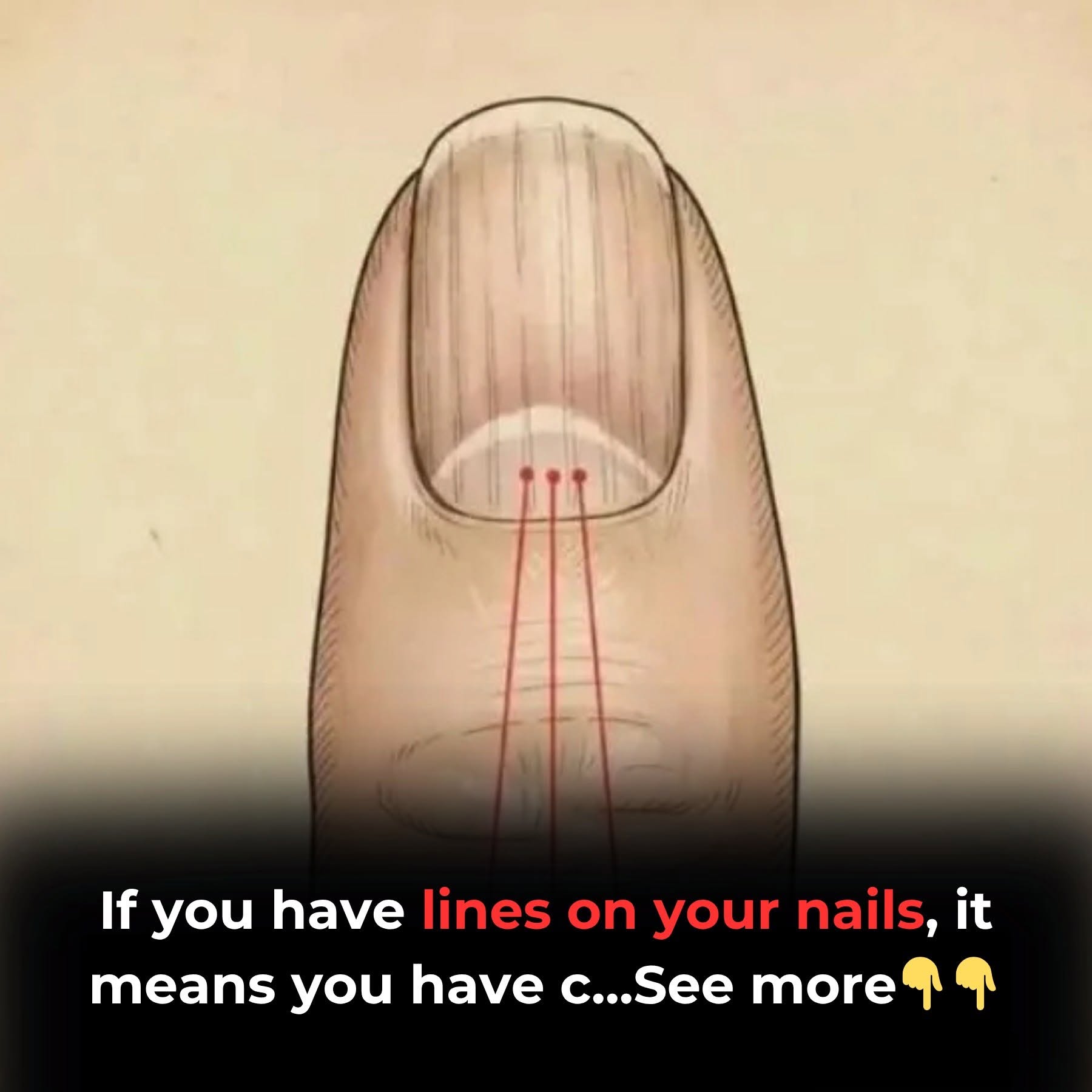
Vertical ridges run from the base of the nail toward the tip.
They are also called longitudinal ridges.
In many people, they become more noticeable with age.
The nail surface may appear slightly uneven, but the overall nail structure remains healthy.
These ridges are usually harmless.
Why Do Vertical Ridges Develop?
Nail growth naturally changes over time.
Age-related changes in the nail matrix and surrounding tissues can produce a less uniform nail surface.
Dryness and repeated exposure to water or chemicals may also make ridges more visible.
Some people naturally have more prominent ridges than others.
Are Vertical Ridges a Sign of Vitamin Deficiency?
Not necessarily.
Vertical ridges alone do not reliably indicate a deficiency of magnesium, vitamin B12, or another specific nutrient.
Nutritional deficiencies may affect nails in different ways, but they usually need to be evaluated using the person's diet, medical history, and appropriate laboratory testing.
If vertical ridges are accompanied by severe splitting, unusual discoloration, or other symptoms, seek medical advice.
11. Nail Pitting: A Possible Sign of Psoriasis
Nail pitting appears as small dents or depressions scattered across the nail surface.
The dents may be shallow or deep and can affect one or several nails.
One important cause is nail psoriasis.
Psoriasis is a chronic inflammatory condition that can affect the skin and nails.
When psoriasis involves the nail matrix, it may disrupt the formation of the nail plate, producing pits.
Other nail changes associated with psoriasis include:
- Nail separation from the nail bed.
- Thickening beneath the nail.
- Yellowish discoloration.
- Crumbling.
- Irregular nail surfaces.
- Oil-drop-like discoloration.
Can Nail Pitting Occur Without Skin Psoriasis?
Yes.
Some people develop nail psoriasis without obvious skin plaques.
Nail pitting can also occur in alopecia areata and certain other inflammatory conditions.
Therefore, pitting alone does not establish a diagnosis.
Why Does Early Assessment Matter?
Nail psoriasis can cause pain, interfere with daily activities, and affect quality of life.
It may also be associated with psoriatic arthritis, an inflammatory joint condition.
People who have nail pitting alongside swollen joints, morning stiffness, or persistent joint pain should discuss these symptoms with a healthcare professional.
12. Red or Brown Streaks: Understanding Splinter Hemorrhages
Splinter hemorrhages are thin, reddish-brown or dark lines beneath the nail.
They look like tiny splinters running in the direction of nail growth.
They occur when small blood vessels beneath the nail are damaged and bleed.
Common Causes
In many cases, splinter hemorrhages result from minor trauma.
Possible triggers include:
- Bumping a finger.
- Repetitive pressure.
- Nail biting.
- Aggressive manicures.
- Certain sports or physical activities.
They may appear on one nail and gradually move toward the tip as the nail grows.
When Can They Indicate a Medical Problem?
Multiple splinter hemorrhages without a clear injury may sometimes be associated with systemic conditions.
These include:
- Infective endocarditis.
- Certain forms of vasculitis.
- Other inflammatory or vascular disorders.
Infective endocarditis is an infection involving the inner lining of the heart, often affecting the heart valves.
It can cause fever, chills, fatigue, night sweats, shortness of breath, and other symptoms.
However, splinter hemorrhages alone are not enough to diagnose endocarditis.
If unexplained nail streaks occur alongside persistent fever, chills, or significant illness, medical evaluation is important.
13. Nails That Separate From the Nail Bed
Nail separation is medically known as onycholysis.
It occurs when the nail plate lifts away from the tissue underneath it.
The separated area often appears white because air enters the space between the nail plate and nail bed.
Depending on the cause, the area may also appear yellow, green, or discolored.
Common Causes
Onycholysis can develop due to:
- Repeated trauma.
- Excessive nail cleaning.
- Long or artificial nails.
- Fungal infection.
- Psoriasis.
- Certain medications.
- Thyroid disorders.
