

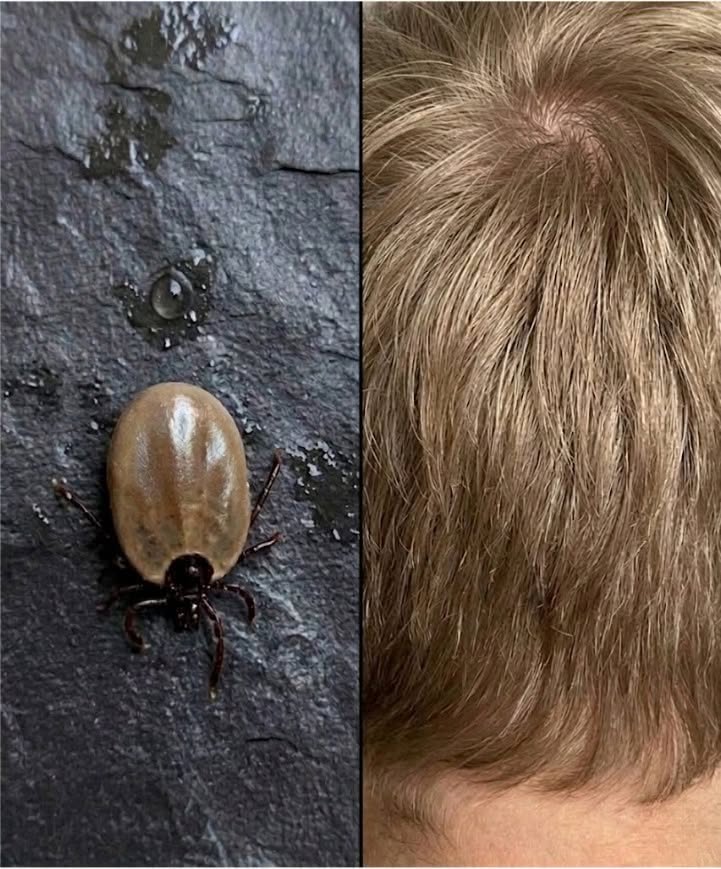
Contact a healthcare professional if:
- Home treatments are unsuccessful
- The scalp becomes infected
- The child develops severe irritation
- You are uncertain whether the insect is actually a louse
In some cases, what appears to be lice may instead be another harmless insect, dandruff, skin debris,
or a different scalp condition.
The Bottom Line
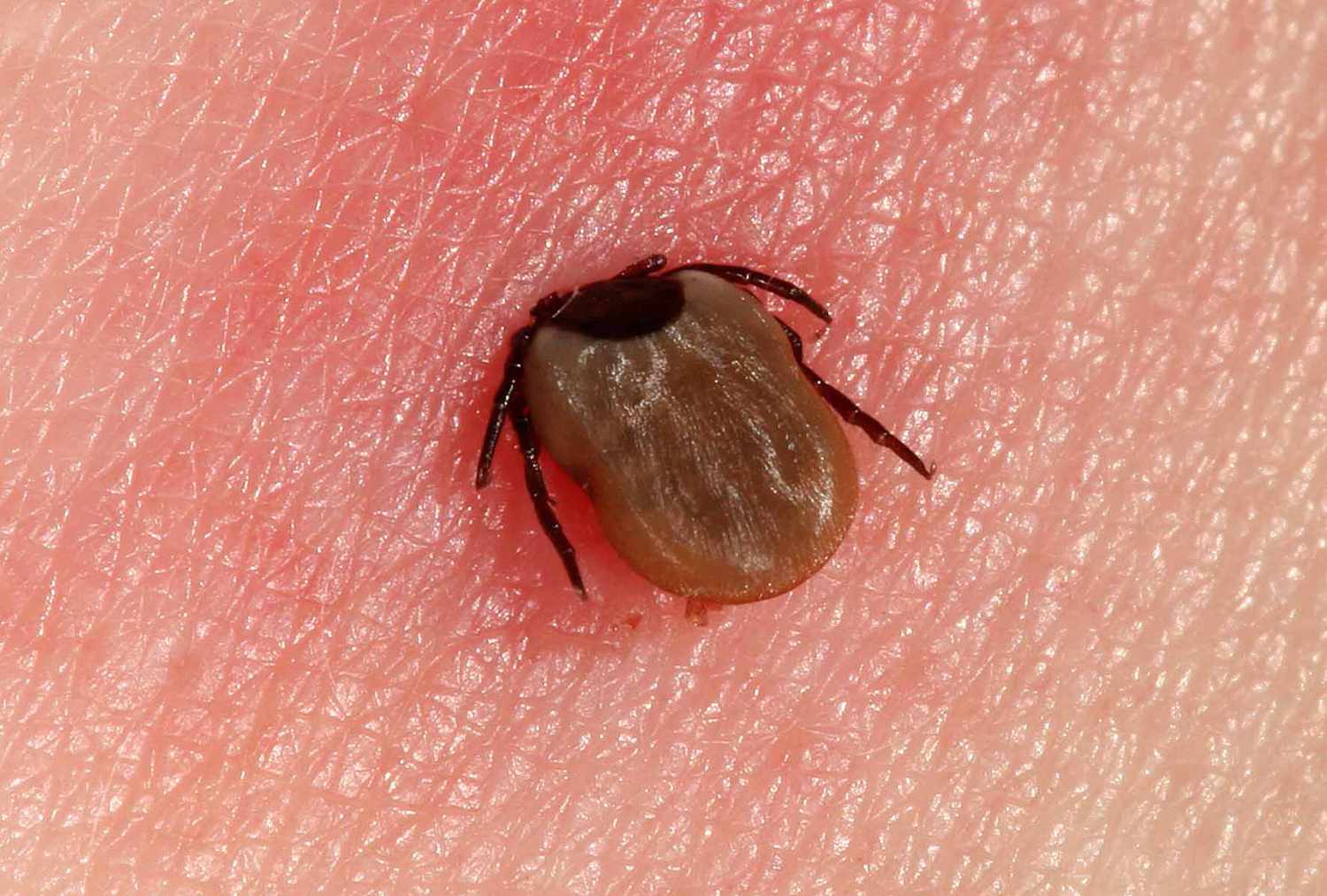
Finding a strange insect in your child’s hair can be unsettling, but in many cases the explanation is relatively simple: head lice.
While lice are unpleasant and highly contagious among children, they are usually not dangerous and can be treated effectively with proper care.
The most important step is to remain calm, inspect carefully, and take appropriate action if lice are confirmed.
Sources:
- Centers for Disease Control and Prevention (CDC)
- American Academy of Pediatrics
- Mayo Clinic
- Cleveland Clinic
- National Health Service (NHS)
How to Prevent Head Lice from Coming Back
Once head lice have been discovered, many parents worry about whether the problem will return. Fortunately, a few simple precautions can help reduce the chances of another infestation and prevent lice from spreading to other family members.
1. Make Hair Checks a Regular Habit
Parents can check their children’s hair
regularly, especially during school terms or when there has been a known case of head lice among classmates. Use bright lighting and a fine-toothed lice comb to inspect the scalp carefully, paying particular attention to the areas behind the ears and around the nape of the neck. Finding live lice early makes treatment easier.
2. Teach Children Simple Preventive Habits
Encourage children to avoid direct head-to-head contact during play when possible. They should also avoid sharing hats, combs, brushes, and other items that come into contact with their hair. However, remember that head lice spread mainly through direct contact, so children should never be blamed or embarrassed if they become infested.
3. Follow Treatment Instructions Carefully
One common mistake is assuming that a single treatment will always eliminate every louse and egg. Some treatments require a second application after a specified interval, depending on the product. Follow the label instructions carefully, and check the hair regularly after treatment to determine whether live lice remain.
