

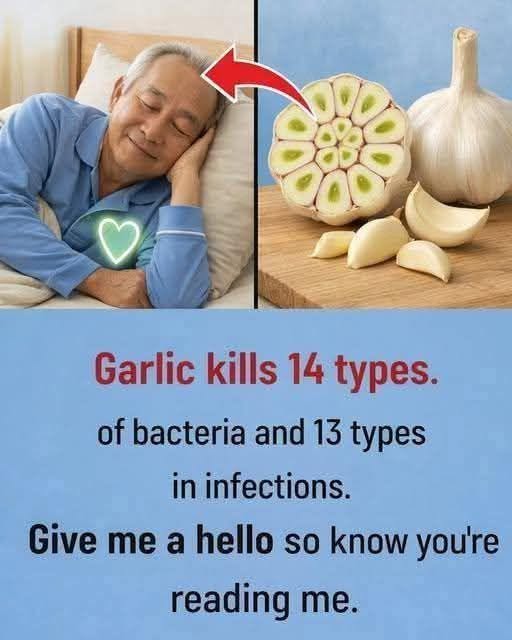
Useful Tips for Including Garlic in Your Diet
- Crush or chop garlic and let it sit for a few minutes before cooking to enhance its beneficial compounds.
- Combine garlic with other healthy foods like vegetables and whole grains for balanced meals.
- Store garlic in a cool, dry place to maintain freshness and potency.
- Start with small amounts if you are new to garlic to monitor how your body responds.
Frequently Asked Questions
1. Can garlic cure bacterial infections?
Garlic has antibacterial properties that may help inhibit certain bacteria; however, it is not a substitute for professional medical treatment or antibiotics prescribed by a doctor.
2. How much garlic should I eat daily for health benefits?
There is no exact recommended amount, but consuming one to two cloves per day is commonly suggested for general wellness. Always consider personal tolerance and consult a healthcare provider if unsure.
3. Is raw garlic more effective than cooked garlic?
Raw garlic tends to retain more of its active compounds like allicin. Cooking can reduce these compounds, but garlic still offers benefits when cooked.
4. Are there any side effects of eating too much garlic?
Excessive garlic intake can cause digestive upset, bad breath, body odor, and may interact with certain medications. Moderation is key.
Conclusion
Garlic is a natural food with properties that may support the body’s defense against bacterial infections and promote overall wellness. While it should not replace medical treatments, incorporating garlic into your diet can be a practical and flavorful way to support health. Always use garlic thoughtfully and consult healthcare professionals when dealing with infections or medical conditions.
