

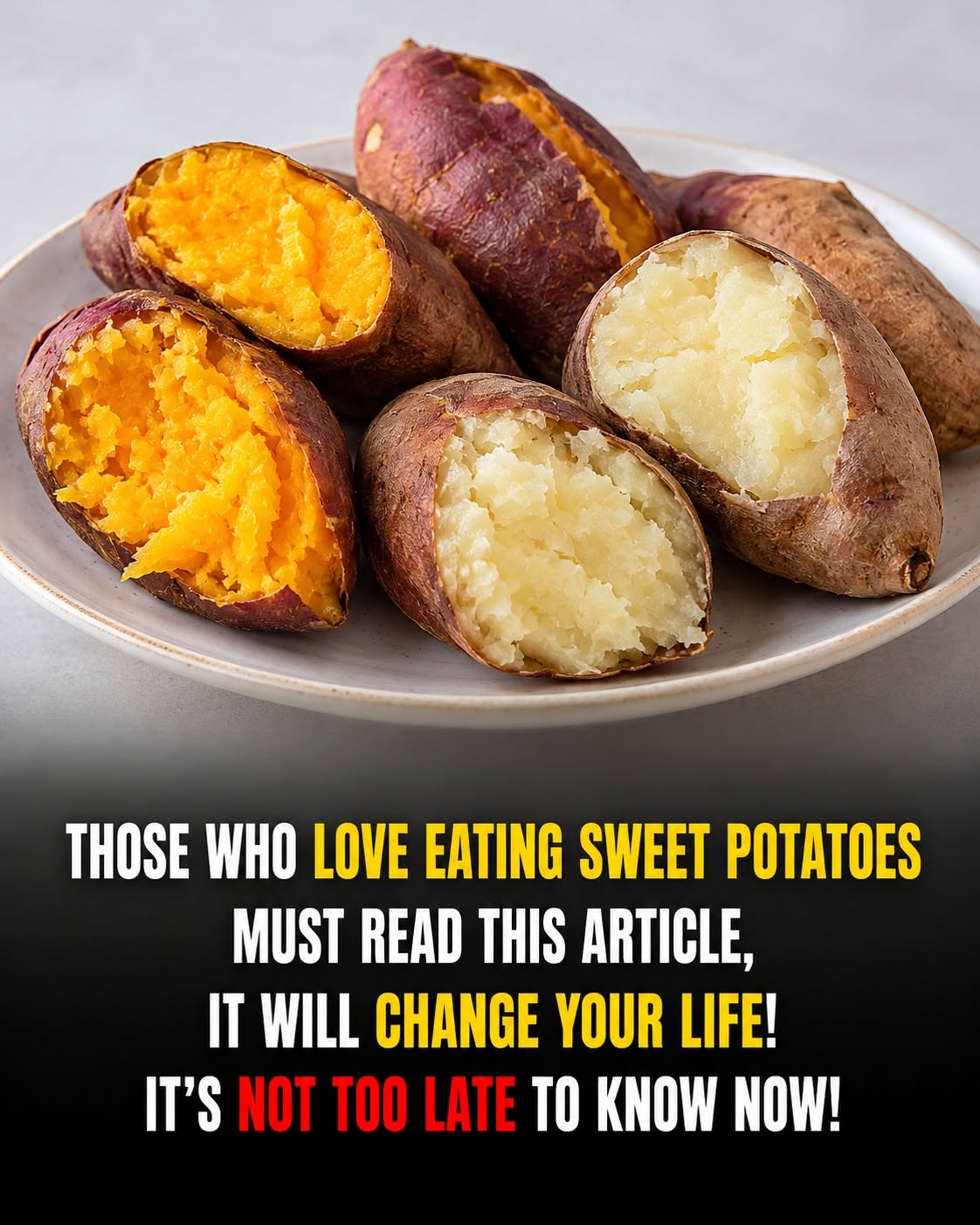
There is no universal rule stating that everyone should eat sweet potatoes a certain number of times per week. The appropriate frequency depends on your dietary needs, preferences, health conditions, and the other foods you eat.
For many healthy adults, sweet potatoes can be included several times per week if desired. They can also be eaten more or less frequently depending on the balance of the overall diet.
The key is variety. Sweet potatoes should not replace every other vegetable or become the only source of carbohydrates. Other useful choices include brown rice, oats, whole-grain bread, beans, lentils, potatoes, and a range of vegetables.
A moderate serving might be approximately one small-to-medium sweet potato, although the ideal portion depends on its size and the needs of the individual. Someone with high energy requirements may need more, while someone managing carbohydrate intake may prefer a smaller serving.
You do not need to eat sweet potatoes every day to benefit from their nutrients. Consistency across your overall dietary pattern matters more than following a rigid schedule.
If you enjoy sweet potatoes, consider alternating between boiled, steamed, baked, and roasted preparations. You can also vary the type, choosing orange, purple, or white varieties when available.
The takeaway: Sweet potatoes can be a regular part of a healthy diet, but there is no required daily amount. Variety, portion size, and individual needs should guide how often you eat them.
17. Who Should Be More Careful About Eating Sweet Potatoes?
Although sweet potatoes are nutritious for many people, certain health conditions can make portion size and dietary planning particularly important.
People with diabetes
Sweet potatoes contain carbohydrates that can raise blood glucose. People with diabetes do not necessarily need to avoid them, but they may need to account for the carbohydrate content of each serving.
Combining sweet potatoes with protein and non-starchy vegetables can help create a more balanced meal. Individual glucose monitoring, when recommended by a healthcare professional, can provide useful information about personal responses.
People with chronic kidney disease
Sweet potatoes contain potassium. Some people with reduced kidney function need to limit potassium because their bodies may not remove excess amounts effectively.
Not everyone with kidney disease needs the same restrictions. The appropriate approach depends on laboratory results, kidney function, medications, and medical advice.
People who experience digestive discomfort
Sweet potatoes provide fiber, which can be beneficial for many people but may cause bloating or gas if intake increases suddenly. Some people with sensitive digestive systems may also react to particular portion sizes.
Trying a smaller serving and increasing intake gradually may help. Persistent or severe digestive symptoms should not be ignored.
People managing their total energy intake
Sweet potatoes can be a useful part of weight management, but portion size and preparation still matter. Deep-fried versions or dishes with substantial amounts of added fat and sugar may contain considerably more calories than plain sweet potatoes.
People considering high-dose vitamin supplements
Eating orange sweet potatoes as part of a normal diet is not the same as taking high doses of preformed vitamin A supplements. Excessive intake of preformed vitamin A can be harmful, particularly during pregnancy. Beta-carotene from foods is regulated differently by the body, although very high intake of carotenoid-rich foods can sometimes cause a harmless yellow-orange tint to the skin.
If you are pregnant, take prescription medication, or have a medical condition requiring dietary restrictions, seek individualized advice before making major dietary changes or starting supplements.
For most people, ordinary portions of properly prepared sweet potatoes are a straightforward way to add nutrients to meals. The goal is not to avoid nutritious foods unnecessarily, but to adapt food choices to personal needs.
18. Common Myths About Sweet Potatoes
Because sweet potatoes are often described as a superfood, exaggerated claims about them are common. Understanding what they can and cannot do helps put their benefits into perspective.
Myth 1: Sweet potatoes automatically cause weight loss.
They do not. They can help make meals more satisfying and nutritious, but weight loss depends on overall energy balance and other individual factors.
Myth 2: Sweet potatoes never raise blood sugar.
They contain carbohydrates and can raise blood glucose. The response depends on portion size, preparation, meal composition, and individual physiology.
Myth 3: Orange sweet potatoes are always healthier than purple ones.
Orange varieties are particularly rich in beta-carotene, while purple varieties contain anthocyanins. Both provide useful nutrients, and the better choice depends on the overall diet and personal preferences.
Myth 4: Eating sweet potatoes can cure digestive problems.
Their fiber may support bowel regularity, especially when a person's diet is low in fiber. However, they do not cure every cause of constipation, abdominal pain, or digestive disease.
Myth 5: Sweet potatoes detoxify the body.
The body already has systems, including the liver and kidneys, that process and eliminate waste products. Sweet potatoes provide nutrients that support normal physiology, but there is no good reason to describe them as a special detox treatment.
Myth 6: You must eat sweet potatoes every day to benefit from them.
There is no such requirement. Nutritional adequacy depends on the whole diet, not on consuming one specific food daily.
Myth 7: Sweet potatoes are unhealthy because they taste sweet.
Their natural sweetness does not make them equivalent to sweets or sugar-sweetened beverages. Their fiber, vitamins, minerals, and overall food structure distinguish them from many highly processed sweet foods.
The central lesson is simple: sweet potatoes can be nutritious without being miraculous. Accurate expectations make it easier to enjoy them as part of a sustainable diet.
19. Simple Ways to Add Sweet Potatoes to Your Meals
One reason sweet potatoes are so useful is that they fit into many types of meals. You do not need elaborate recipes or expensive ingredients to enjoy them.
Breakfast
A small baked sweet potato can be served with eggs and vegetables. Alternatively, cooked sweet potato can be mashed and added to a savory breakfast bowl.
If you prefer a sweeter breakfast, combine sweet potato with plain yogurt, cinnamon, and a small amount of nuts. Keep in mind that the overall balance of the meal matters more than whether the dish tastes sweet or savory.
Lunch
Try a bowl containing roasted sweet potato, beans or lentils, leafy vegetables, and a source of protein. A modest dressing made with olive oil, lemon juice, and herbs can add flavor.
This combination provides several food groups in one meal and allows you to adjust portions according to your appetite and activity level.
Dinner
Serve steamed or baked sweet potato alongside fish, chicken, tofu, or beans and a generous portion of vegetables.
If you are preparing a family meal, sweet potatoes can replace or complement rice, bread, or other starchy foods. You do not necessarily need to serve large portions of several starches in the same meal.
Snacks
Small portions of cooked sweet potato can be convenient snacks, particularly when paired with a source of protein if you need something more substantial.
For example, sweet potato slices can be served with plain yogurt or included in a meal-preparation container with eggs and vegetables.
Soups and stews
Sweet potatoes work well in vegetable soups, bean stews, and curries. They add thickness, color, and natural sweetness without requiring large amounts of cream.
When cooking them in a soup or stew, the cooking liquid can also retain some nutrients that move out of the sweet potato during cooking.
Roasted sweet potato
Cut sweet potatoes into evenly sized pieces, add a modest amount of oil and seasoning, and roast until tender. Garlic, paprika, black pepper, rosemary, or cumin can add flavor.
The exact cooking time depends on the size of the pieces and the oven temperature. Check that the pieces are fully tender before serving.
These ideas illustrate an important point: a healthy diet does not need to be complicated. Repeating a few convenient, balanced meals can make it easier to maintain good eating habits over time.
