

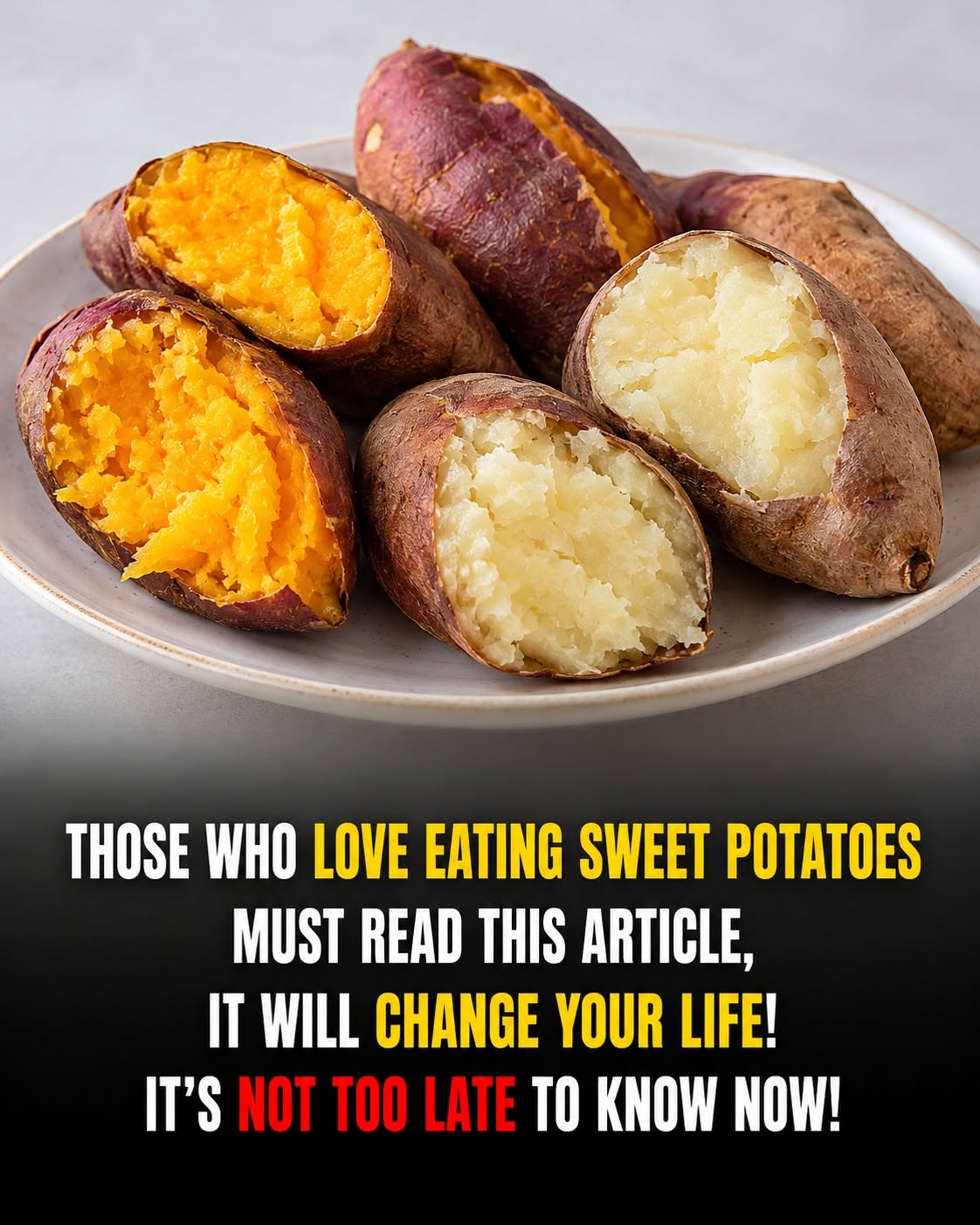
Sweet potatoes can be part of a weight-loss diet, but they do not cause weight loss automatically.
Weight management is influenced by the relationship between energy intake and energy expenditure over time, along with factors such as appetite, sleep, medications, hormones, activity, and individual health conditions.
Sweet potatoes may help some people manage hunger because they provide fiber, water, and a substantial amount of food for their calorie content. They can also serve as an alternative to certain refined or highly processed carbohydrate foods.
For example, a meal containing sweet potato, grilled fish, and vegetables can provide a combination of carbohydrates, protein, fiber, and micronutrients. This may be more satisfying than a meal based mainly on refined starch and a sweetened beverage.
However, eating large portions of sweet potatoes alongside the same amount of food you already consume may increase total energy intake. Adding butter, cream, or sugary toppings can also change the calorie content considerably.
A sustainable approach to weight management does not require eliminating carbohydrates. Instead, it usually involves choosing satisfying foods, paying attention to portions, maintaining adequate protein intake, eating a variety of vegetables and fruit, and finding a level of physical activity that can be maintained over time.
People with a history of disordered eating or restrictive dieting may benefit from professional guidance rather than focusing narrowly on calories or individual foods.
The takeaway: Sweet potatoes can support a weight-management plan when they help create balanced, satisfying meals. They are not a fat-burning food, and their effect depends on the overall eating pattern.
14. What About Heart Health?
Sweet potatoes contain potassium, fiber, and plant compounds that can contribute to a heart-healthy dietary pattern.
Potassium helps support normal blood pressure regulation, while dietary fiber is associated with several aspects of cardiovascular health. The relationship between fiber and heart health depends on the type of fiber and the broader dietary pattern, but higher-fiber diets are generally encouraged for most adults.
Sweet potatoes contain very little saturated fat in their plain form. When they replace foods high in saturated fat or heavily processed ingredients, they can help improve the overall composition of a meal.
However, heart health cannot be reduced to one nutrient. Blood pressure, cholesterol levels, smoking, physical activity, diabetes, family history, sleep, and other factors all influence cardiovascular risk.
The way sweet potatoes are prepared can also affect their role in a meal. Plain baked sweet potato with beans and vegetables is different from a sweet potato casserole made with large quantities of butter, cream, and added sugar.
People who need to manage blood pressure may benefit from looking at the entire dietary pattern, including sodium intake and the amount of fruit, vegetables, legumes, and whole grains they eat.
Those with kidney disease or medications that affect potassium should follow individualized advice before deliberately increasing potassium-rich foods.
The takeaway: Sweet potatoes can contribute potassium and fiber to a heart-conscious diet, but they do not independently prevent heart disease or replace medical treatment.
15. They May Support Healthy Aging Through Better Overall Nutrition
As people age, nutritional needs and eating habits can change. Some adults experience reduced appetite, dental difficulties, digestive changes, or a lower variety of foods in their diets. These factors can make it harder to obtain sufficient nutrients.
Sweet potatoes can be useful because they are versatile, relatively easy to prepare, and soft when properly cooked. Their natural sweetness may also make them appealing to people who find other vegetables less enjoyable.
Their beta-carotene, vitamin C, potassium, and fiber contribute to several normal bodily functions. Maintaining adequate intake of these nutrients is important throughout life, including during older adulthood.
Yet sweet potatoes are not a complete solution to age-related nutritional challenges. Older adults often need sufficient protein to help preserve muscle mass, along with adequate energy, calcium, vitamin D, vitamin B12, and other nutrients depending on their circumstances.
A meal of sweet potato alone may not provide enough protein for someone who is trying to maintain muscle. Pairing it with fish, eggs, dairy products, tofu, beans, or another protein source can create a more balanced meal.
Healthy aging also depends on physical activity, sleep, social connection, preventive healthcare, and the management of chronic conditions. Food choices can support these goals but cannot guarantee freedom from illness.
The takeaway: Sweet potatoes can make it easier to include nutritious plant foods in meals as you age. Combine them with adequate protein and other nutrient-rich foods to support a balanced eating pattern.
16. How Often Should You Eat Sweet Potatoes?
There is no universal rule stating that everyone should eat sweet potatoes a certain number of times per week. The appropriate frequency depends on your dietary needs, preferences, health conditions, and the other foods you eat.
For many healthy adults, sweet potatoes can be included several times per week if desired. They can also be eaten more or less frequently depending on the balance of the overall diet.
The key is variety. Sweet potatoes should not replace every other vegetable or become the only source of carbohydrates. Other useful choices include brown rice, oats, whole-grain bread, beans, lentils, potatoes, and a range of vegetables.
A moderate serving might be approximately one small-to-medium sweet potato, although the ideal portion depends on its size and the needs of the individual. Someone with high energy requirements may need more, while someone managing carbohydrate intake may prefer a smaller serving.
You do not need to eat sweet potatoes every day to benefit from their nutrients. Consistency across your overall dietary pattern matters more than following a rigid schedule.
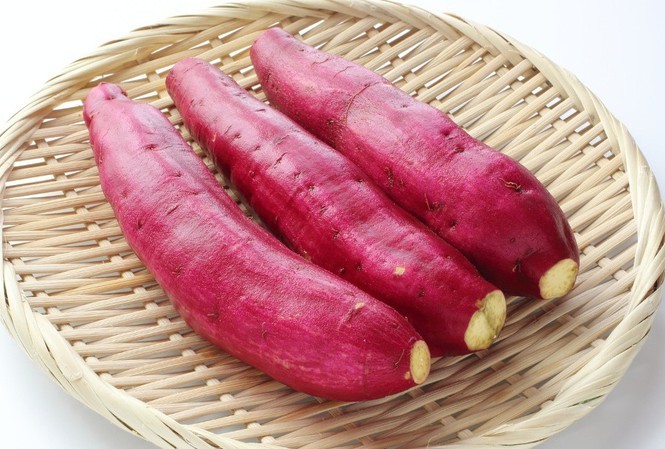
If you enjoy sweet potatoes, consider alternating between boiled, steamed, baked, and roasted preparations. You can also vary the type, choosing orange, purple, or white varieties when available.
The takeaway: Sweet potatoes can be a regular part of a healthy diet, but there is no required daily amount. Variety, portion size, and individual needs should guide how often you eat them.
17. Who Should Be More Careful About Eating Sweet Potatoes?
Although sweet potatoes are nutritious for many people, certain health conditions can make portion size and dietary planning particularly important.
People with diabetes
Sweet potatoes contain carbohydrates that can raise blood glucose. People with diabetes do not necessarily need to avoid them, but they may need to account for the carbohydrate content of each serving.
Combining sweet potatoes with protein and non-starchy vegetables can help create a more balanced meal. Individual glucose monitoring, when recommended by a healthcare professional, can provide useful information about personal responses.
People with chronic kidney disease
Sweet potatoes contain potassium. Some people with reduced kidney function need to limit potassium because their bodies may not remove excess amounts effectively.
Not everyone with kidney disease needs the same restrictions. The appropriate approach depends on laboratory results, kidney function, medications, and medical advice.
People who experience digestive discomfort
Sweet potatoes provide fiber, which can be beneficial for many people but may cause bloating or gas if intake increases suddenly. Some people with sensitive digestive systems may also react to particular portion sizes.
Trying a smaller serving and increasing intake gradually may help. Persistent or severe digestive symptoms should not be ignored.
People managing their total energy intake
Sweet potatoes can be a useful part of weight management, but portion size and preparation still matter. Deep-fried versions or dishes with substantial amounts of added fat and sugar may contain considerably more calories than plain sweet potatoes.
People considering high-dose vitamin supplements
Eating orange sweet potatoes as part of a normal diet is not the same as taking high doses of preformed vitamin A supplements. Excessive intake of preformed vitamin A can be harmful, particularly during pregnancy. Beta-carotene from foods is regulated differently by the body, although very high intake of carotenoid-rich foods can sometimes cause a harmless yellow-orange tint to the skin.
If you are pregnant, take prescription medication, or have a medical condition requiring dietary restrictions, seek individualized advice before making major dietary changes or starting supplements.
For most people, ordinary portions of properly prepared sweet potatoes are a straightforward way to add nutrients to meals. The goal is not to avoid nutritious foods unnecessarily, but to adapt food choices to personal needs.
