

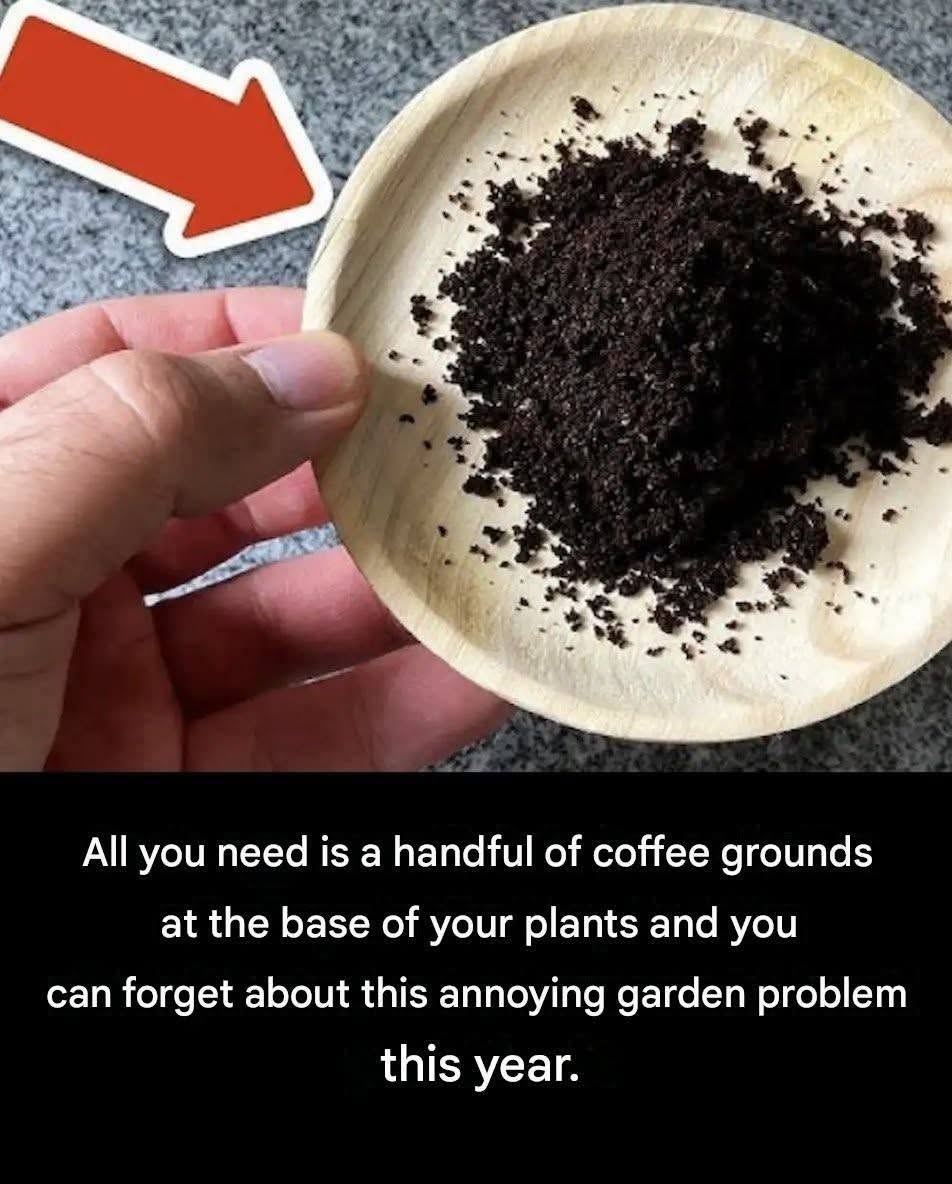
1. Check Your Garden in the Evening
Slugs are often most active during damp evenings and at night. Taking a torch outside after sunset can help you spot them before they cause more damage.
Pick them off by hand if you’re comfortable doing so, and relocate or dispose of them in accordance with local guidance.
2. Remove Their Favourite Hiding Places
Clear away rotting leaves, unnecessary piles of weeds and other damp debris near vulnerable plants.
You don’t need to make your garden completely bare. Instead, focus on removing unnecessary hiding places close to seedlings and vegetable beds.
3. Protect Young Seedlings
Young plants are particularly vulnerable because a small amount of feeding can destroy a large proportion of their leaves.
Consider using suitable physical barriers, protective cloches or purpose-designed slug guards. Check them regularly to ensure slugs aren’t trapped underneath.
4. Encourage Natural Predators
A wildlife-friendly garden can support animals that feed on slugs, including some ground beetles, frogs and toads.
Providing suitable habitats, avoiding unnecessary pesticide use and maintaining a variety of plants can help encourage garden biodiversity.
Remember, natural predators can contribute to pest control, but they won’t eliminate every slug.
5. Choose Slug Controls Carefully
If the problem becomes severe, consider a suitable, locally approved slug-control product and follow its label instructions carefully.
