

Tender seedlings, lettuce, strawberries and other soft plant growth are particularly attractive to many slug species. Unfortunately, a single night of feeding can leave young plants badly damaged.
Slugs also prefer cool, sheltered places where they can hide during the day. Piles of damp leaves, dense weeds, old plant pots and discarded garden debris can all provide convenient hiding spots.
The good news is that a few simple changes to your gardening routine can make your garden less inviting to these hungry visitors.
Can Coffee Grounds Help Keep Slugs Away?
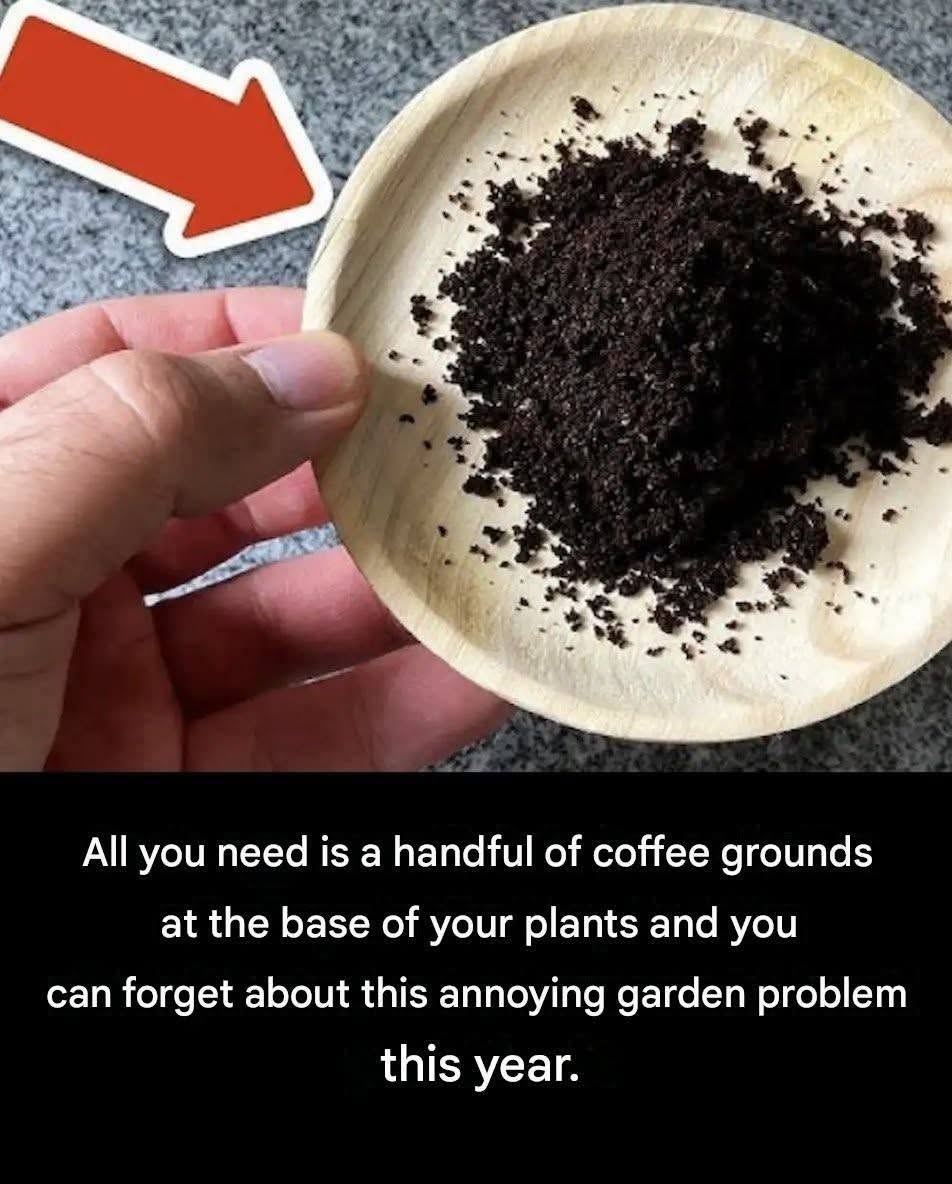
Used coffee grounds are a popular home gardening tip, and there are a few reasons gardeners are interested in them.
Coffee grounds contain organic matter that can contribute to compost, while their texture and smell have led some people to try using them around vulnerable plants.
However, there’s an important distinction between a popular gardening trick and a proven solution.
Coffee grounds are not a reliable, scientifically established slug barrier. Slugs may cross them, particularly when the grounds are damp, and spreading large quantities directly onto garden soil can cause other problems.
Coffee also contains caffeine, which can affect slugs at sufficient concentrations, but ordinary used coffee grounds do not provide a predictable or dependable dose. They shouldn’t be relied on to protect valuable seedlings.
