

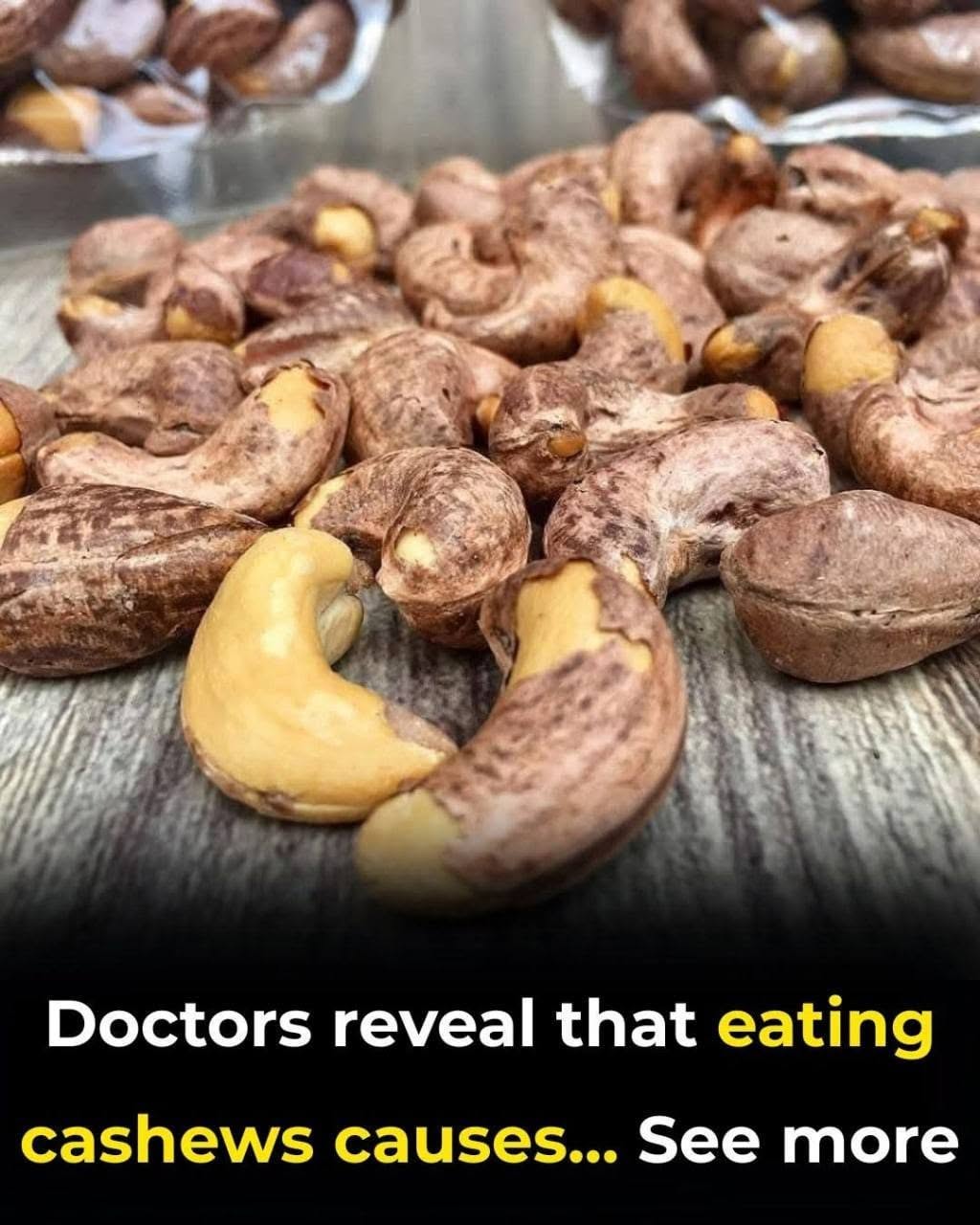
10. They Provide Nutrients That Support the Immune System
The immune system depends on many different cells, proteins, and biochemical processes.
Nutrients such as zinc, copper, and iron contribute to normal immune function.
Cashews provide these minerals in varying amounts.
Zinc and Immune Defense
Zinc is involved in the development and function of immune cells.
Insufficient zinc intake can interfere with normal immune responses.
Copper and Immune Function
Copper contributes to the activity of several enzymes involved in normal cellular processes and immune defense.
Does Eating Cashews Prevent Infections?
No individual food can guarantee protection against viral or bacterial infections.
Cashews do not replace vaccination, appropriate medical treatment, hand hygiene, or other preventive measures.
Their contribution is nutritional.
A varied diet that provides adequate vitamins, minerals, protein, and energy helps support normal immune function.
11. Can Eating Too Many Cashews Be Harmful?
Despite their nutritional benefits, cashews are not suitable for unlimited consumption.
Their calorie density, fat content, and potential allergenicity mean that certain people should pay attention to how much they eat.
Here are some important considerations.
Excessive Calorie Intake
Cashews contain approximately 157 calories per 28-gram serving.
Eating several large handfuls every day can add substantial calories to the diet.
If this consistently exceeds your energy needs, it may contribute to weight gain.
This does not mean cashews are unhealthy.
It simply means portion control matters.
Digestive Discomfort
Some people experience bloating, gas, or abdominal discomfort after eating large quantities of nuts.
This may be related to individual digestive sensitivity, portion size, or other foods eaten at the same time.
Reducing the portion may improve tolerance.
Added Salt
Salted cashews can contain significant amounts of sodium.
People with high blood pressure, heart failure, kidney disease, or other conditions requiring sodium restriction may need to choose unsalted varieties.
Excess sodium intake can contribute to elevated blood pressure in susceptible individuals.
Added Sugar and Oils
Some flavored cashews contain added sugar, honey coatings, sweeteners, or additional oils.
These ingredients can increase the calorie content and reduce the nutritional advantage of choosing plain nuts.
Check the ingredient list when purchasing packaged products.
12. Cashew Allergies: A Risk That Must Never Be Ignored
One of the most important safety considerations involves tree nut allergies.
Cashews are tree nuts and can cause allergic reactions in susceptible individuals.
For some people, the reaction is mild.
For others, exposure can trigger a life-threatening allergic reaction called anaphylaxis.
Common Symptoms of a Cashew Allergy
Possible symptoms include:
- Itching in the mouth.
- Tingling around the lips.
- Hives.
- Skin redness.
- Swelling of the lips or face.
- Abdominal pain.
- Nausea.
- Vomiting.
- Diarrhea.
Symptoms may develop shortly after eating cashews.
