

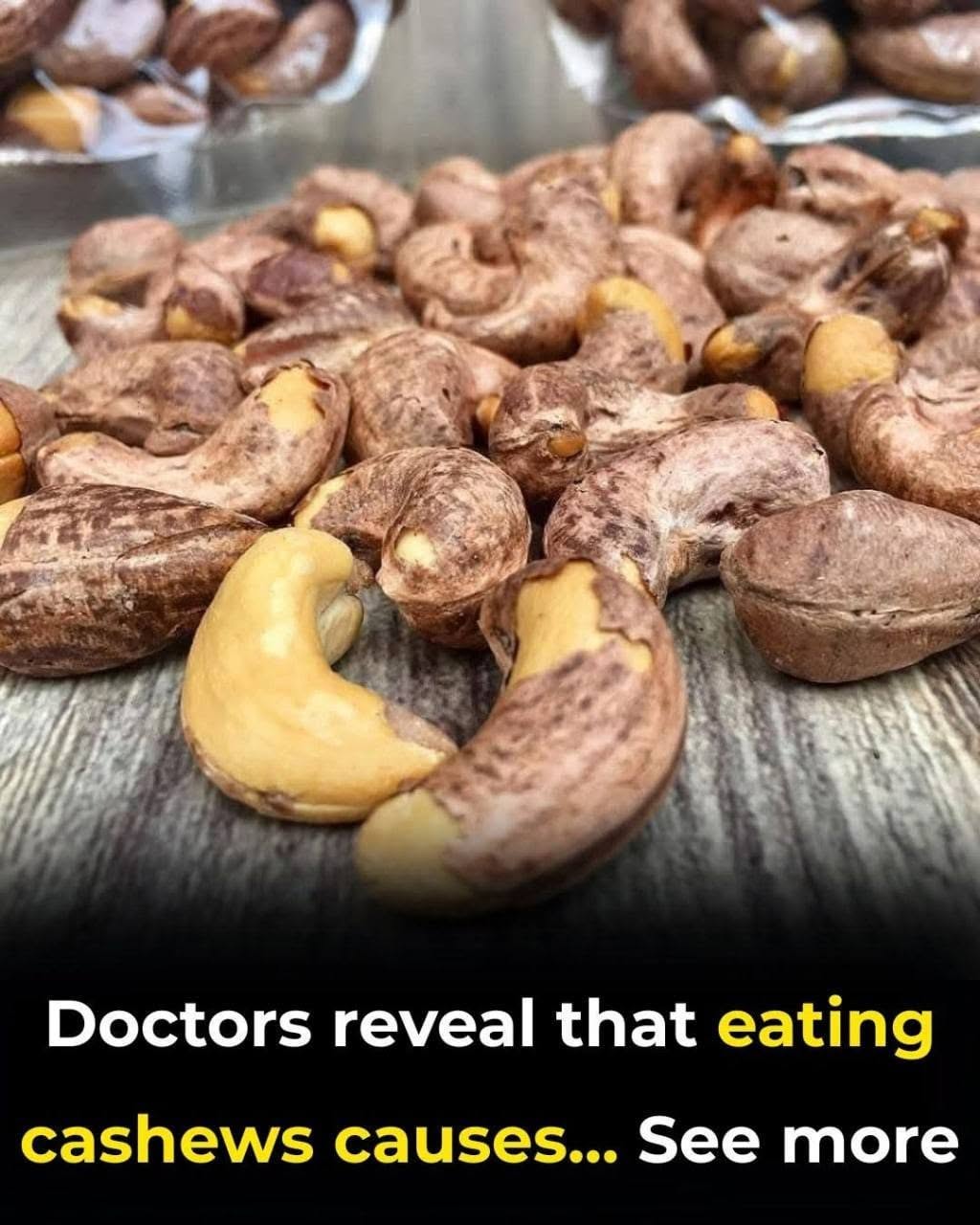
- 157 calories.
- 5 grams of protein.
- 12 grams of fat.
- 9 grams of carbohydrates.
- Approximately 1 gram of fiber.
The exact nutritional values vary slightly depending on the product and preparation method.
Why Can Cashews Be a Better Snack Choice?
Cashews contain fat and protein, both of which can contribute to satiety.
When eaten in reasonable portions, they may help people feel satisfied for longer than snacks made primarily from refined carbohydrates.
Their relatively low carbohydrate content also means that a standard serving generally produces a smaller direct carbohydrate load than many sugary snacks.
However, portion size matters.
Eating a large quantity of cashews still provides substantial calories.
What Does Research Suggest?
Some research has investigated whether cashew consumption can influence blood glucose, insulin sensitivity, and cholesterol levels.
Results have been mixed, and the evidence is not sufficient to claim that cashews treat diabetes.
Nevertheless, unsalted nuts can fit into a diabetes-friendly eating pattern.
People with diabetes should pay attention to their total carbohydrate intake, medication schedule, and individual blood glucose responses.
Cashews are a nutritious food choice, not a substitute for diabetes medication or professional medical advice.
4. They Provide Minerals That Help Maintain Strong Bones
When people think about bone health, they often immediately think about calcium and milk.
However, healthy bones require several nutrients working together.
Cashews contain magnesium, phosphorus, copper, and small amounts of other minerals involved in maintaining normal bone structure and function.
Magnesium and Bone Health
A substantial portion of the body's magnesium is stored in the bones.
Magnesium contributes to bone mineral metabolism and influences the activity of cells involved in bone formation and remodeling.
Inadequate magnesium intake may negatively affect bone health.
Cashews can help provide some of the magnesium required by the body.
Copper and Connective Tissue
Copper is necessary for enzymes involved in collagen and elastin formation.
These proteins contribute to the structural integrity of connective tissues, including tissues that support the skeletal system.
Copper also participates in normal bone development and maintenance.
Phosphorus and Bone Structure
Phosphorus combines with calcium to form mineral structures that give bones much of their strength.
Cashews provide phosphorus, although many other foods also supply this mineral.
Are Cashews Enough to Prevent Osteoporosis?
No.
Osteoporosis is influenced by age, genetics, hormonal changes, physical activity, calcium and vitamin D intake, medications, and other health factors.
Eating cashews cannot independently prevent or reverse osteoporosis.
A bone-supportive lifestyle generally includes:
- Adequate calcium intake.
- Sufficient vitamin D.
- Regular weight-bearing exercise.
- Strength training.
- Avoiding smoking.
- Limiting excessive alcohol consumption.
- Maintaining appropriate nutritional status.
Cashews can contribute to mineral intake, but they should be part of a broader nutritional strategy.
5. Cashews May Support Healthy Skin and Hair
Healthy skin and hair depend on a combination of nutrients, including protein, essential fatty acids, vitamins, and minerals.
Cashews provide several nutrients involved in normal skin and tissue function.
Zinc and Skin Health
Zinc is essential for normal immune function, wound healing, protein synthesis, and cell division.
It also contributes to maintaining the health of skin and other tissues.
A deficiency in zinc can produce skin abnormalities and may interfere with wound healing.
Cashews provide some zinc, although they are not the richest dietary source.
Copper and Collagen Production
Copper helps activate enzymes involved in collagen and elastin formation.
These structural proteins contribute to skin strength and elasticity.
Adequate copper intake supports normal connective tissue development.
However, there is no convincing evidence that eating cashews directly removes wrinkles or reverses visible signs of aging.
Healthy Fats and the Skin Barrier
Cashews contain unsaturated fats that contribute to overall dietary fat intake.
Dietary fats are important for normal cellular function and the maintenance of healthy skin.
However, eating more fat does not automatically produce better skin.
Skin health also depends on hydration, sun exposure, genetics, hormonal factors, and skincare habits.
Can Cashews Prevent Hair Loss?
Cashews contain nutrients involved in normal hair follicle function, including zinc, copper, and iron.
If someone has a nutritional deficiency, correcting it may help address certain forms of hair problems.
However, hair loss can also result from genetics, thyroid disorders, hormonal changes, autoimmune conditions, medications, and other medical issues.
Cashews cannot be considered a treatment for hair loss.
6. They May Help You Feel Fuller Between Meals
One reason nuts are often recommended as snacks is their ability to contribute to satiety.
Cashews contain protein, fat, and a small amount of fiber.
These nutrients can make a snack more satisfying than foods consisting primarily of refined carbohydrates.
Why Does Satiety Matter?
Satiety refers to the feeling of fullness after eating.
Foods containing protein and fat may slow the rate at which the stomach empties and help people feel satisfied for longer.
This can make it easier to avoid frequent snacking.
For someone trying to maintain a healthy weight, replacing highly processed snacks with a measured serving of nuts may be a useful strategy.
